Introduction
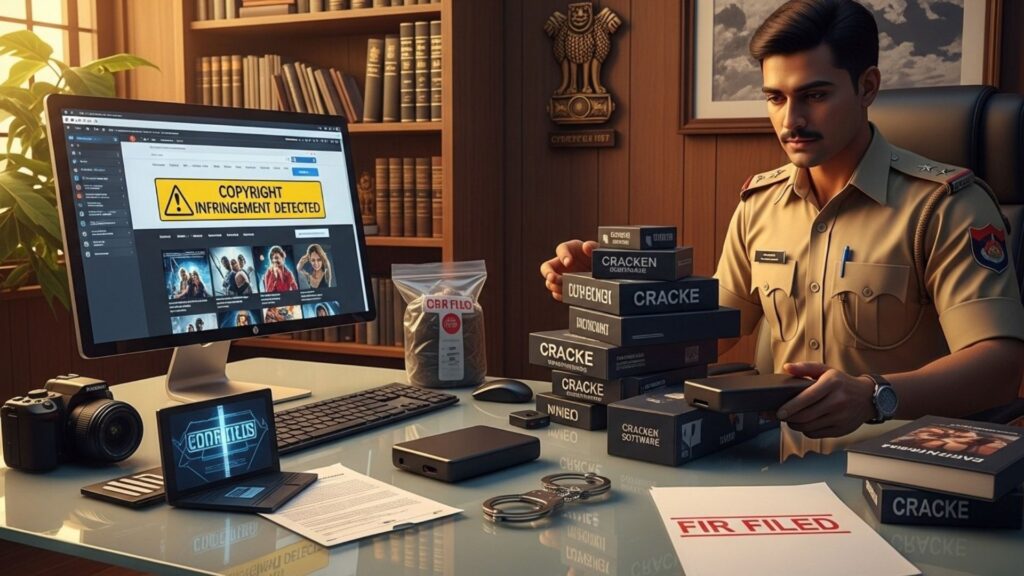
Digital piracy is a big problem in India. It harms creators, companies, and the entire entertainment and software industry. Piracy means using or sharing copyrighted content—like movies, songs, software, or e-books—without permission. It causes big money losses and stops people from creating new content. This guide explains India’s laws, how they are enforced, and what you can do to protect your work.
What is Digital Piracy?
Digital piracy is when someone copies, streams, or shares digital content without permission. This can happen on websites, apps, social media, or through file-sharing tools. Common types of piracy include:
- Watching movies or shows on illegal websites
- Downloading large files through torrents
- Using cracked software or fake activation tools
- Downloading music or e-books from pirated sites
Piracy causes huge losses every year and hurts the legal content market.
What the Copyright Law Says (Copyright Act, 1957)
Important rules in the law include:
- Section 2(ff): Explains what counts as a pirated (illegal) copy.
- Section 51: Gives copyright owners the right to control how their work is used.
- Section 63: Piracy done for money is a crime—punishable with jail and fines.
- Section 63A: Makes it illegal to use tools (like software or devices) mainly for piracy.
- Sections 65A–65C: Let police seize pirated content and devices without a court order.
These rules help in both civil (lawsuits) and criminal (police action) cases.
Who Enforces the Law?
- Police & Cybercrime Cells: You can file a report (FIR) if someone is pirating your work. Cyber police often take down piracy websites or servers.
- Customs Officers: They stop pirated goods (like CDs) at ports and borders.
- Courts & Copyright Board: You can sue someone to stop piracy, get money for losses, and take back pirated content.
- Internet Rules (IT Act, 2000): Websites and internet companies must take down pirated content if they get a valid legal notice.
Having a lawyer helps with filing complaints and dealing with authorities.
What Can Creators Do? (Civil Remedies)
You can go to court for:
- Temporary Bans (Injunctions): Quickly block websites or links showing pirated content.
- Permanent Bans: Stop the same person from repeating piracy.
- Money Compensation: Get paid for your losses or the profits made by the pirate.
- Take Down Orders: Force the person to hand over illegal copies or tools.
Example: In 2020, the Bombay High Court blocked over 200 pirate websites within days of a complaint.
Criminal Action & Police Powers
- Jail & Fines: Up to 7 years in jail and ₹2 lakh fine for serious piracy (Section 63).
- Search Without Warrant: Police can seize servers or computers used for piracy.
- Settlements (Compounding): In some cases, you can settle with the offender outside court.
Working closely with police increases the chance of success.
How to Handle Internet Platforms (Intermediary Liability)
- Take-Down Notices: Send legal notices to websites or internet providers to remove pirated content.
- Safe Harbor Rule: Platforms are safe from legal action if they respond quickly to these notices.
- Counter-Notices: If someone claims the content isn’t pirated, there’s a review process.
A good lawyer can help write effective notices and respond to counter-claims.
Best Ways to Prevent Piracy
- Digital Rights Management (DRM): Use software to stop copying or illegal use.
- Watermarking: Add hidden marks to trace pirated content.
- Monitoring: Use tools to find pirated versions of your work online.
- Education: Teach consumers and sellers why piracy is wrong and illegal.
- Legal Action: Take strong steps against major piracy websites to scare off smaller ones.
Conclusion
Digital piracy is a major issue, but India’s copyright law gives creators strong tools to fight it. By using legal rights, working with authorities, and taking preventive steps, you can protect your content. For the best results, get help from a lawyer who knows copyright and anti-piracy law.
FOR BEST LEGAL SOLUTIONS +91 9811341058 / 9717295772
Or email to info@ethicallegal.in for a short consultation
Disclaimer: This article provides general information and does not constitute legal advice. For guidance specific to your situation, consult a qualified legal family lawyer or legal services lawyer.